


OSRS Sea-Locked Ironman Guide: 8 Steps to Rare Treasures, 90 Ranged & The Kraken Camphor Plank Farm
Jul-17-2026 PSTSummary: Can you really conquer the sea when the mainland is completely forbidden?
What if your account could only step on docks and islands, with the mainland fully off-limits? How do you grow from humble beginnings into a fully prepared sea warrior, unlock new islands, and still chase the 10 rarest treasures across the ocean? This guide breaks down the full progression path: the key prep, the brutal Kraken grind, the resource loops, the stat goals, and the hidden side routes that keep the account moving forward. If you want a smart, high-level roadmap for a sea-locked Ironman-style challenge, this is the one to follow — though for those less restricted, the option to buy OSRS gold can shortcut the resource grind; this guide assumes no such luxury.
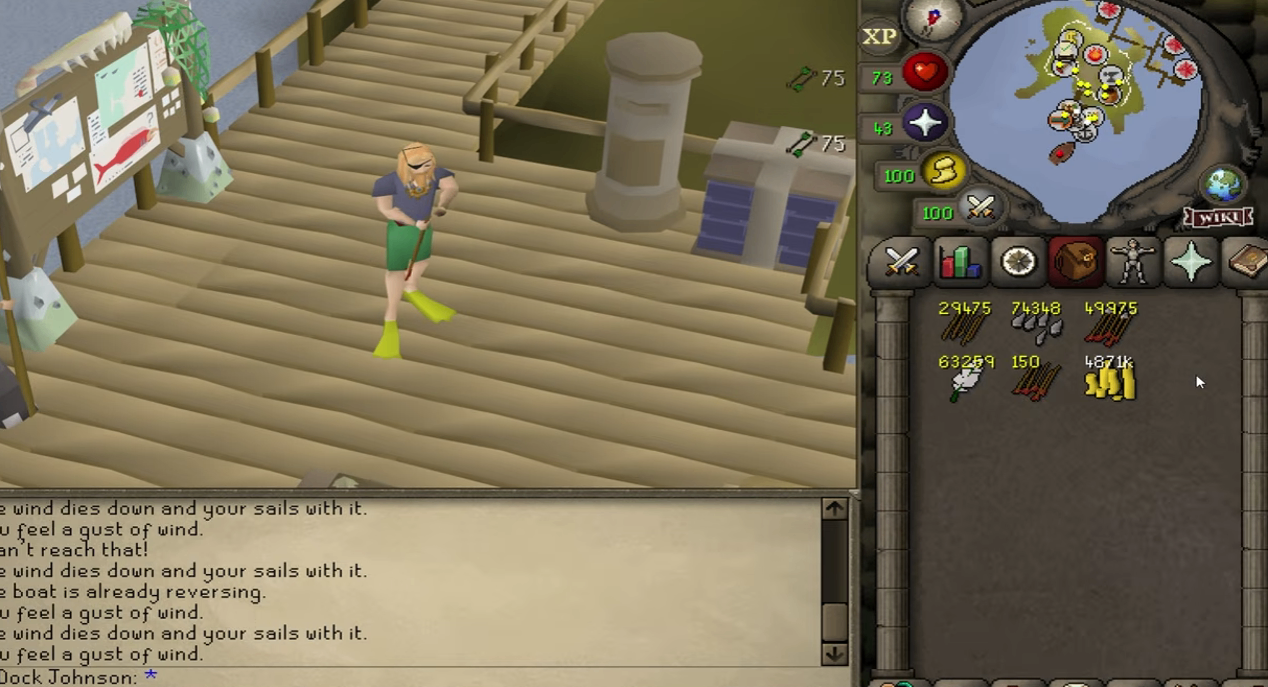
1. The Big Goal: Build Everything Around the Rarest Treasures
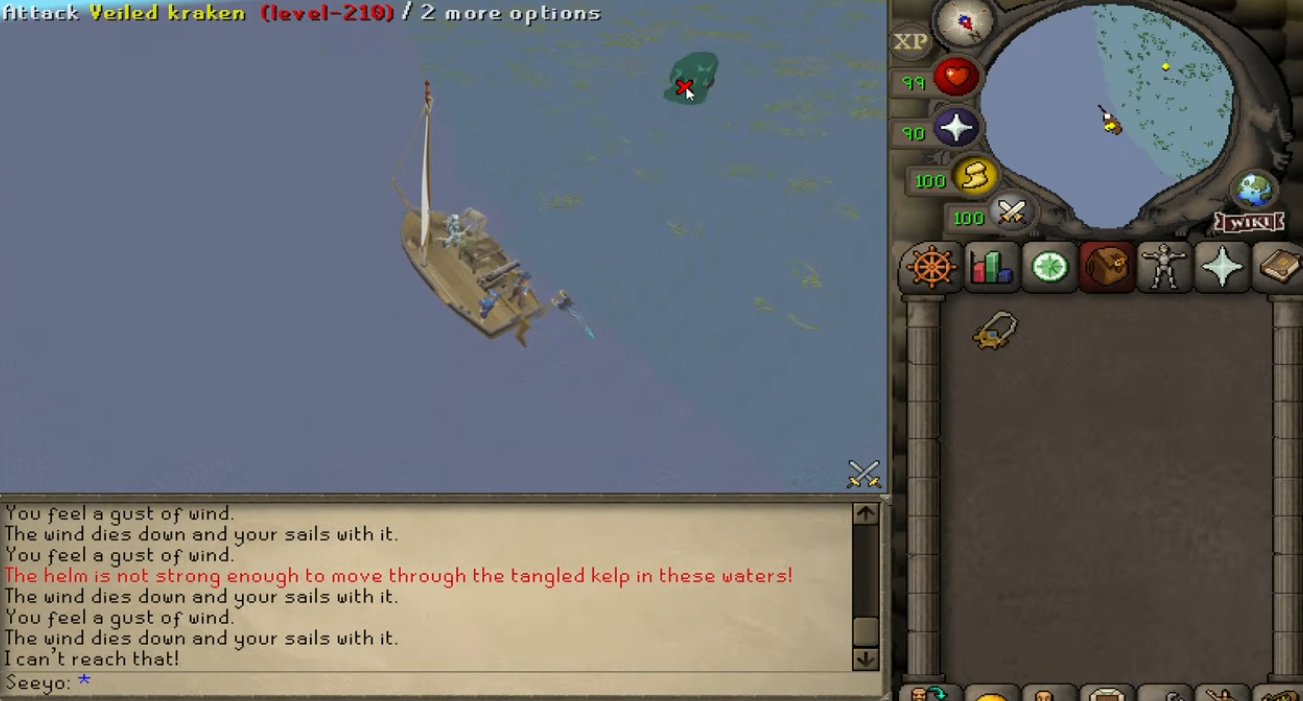
The entire journey is not a random progression. It is a focused push toward collecting the rarest items across the sea, with the goal evolving into a much more ambitious collection plan.
Core target
· Unlock deeper sea content
· Farm ultra-rare drops
· Trade or combine those drops into even rarer rewards
· Keep the account moving without ever touching the mainland
What changed in the plan
A major update to the target list happened when a new, even more prestigious paint became relevant. That meant the original “10 rarest items” list had to be adjusted because one of the key rewards now required multiple rare boat paints as trade-in materials.
Why this matters
This is the kind of challenge where every grind has a purpose. Nothing is done just for fun or XP alone. Every skill level, every plank, every trip exists to unlock the next layer of the sea.
Best for / value
This section is ideal for players who love long-term goals, collection grinds, and structured account planning. It helps you see the full path instead of treating each task as an isolated chore.
2. Preparation Is Everything: You Don’t Fight Krakens Unprepared
Before the Kraken grind even begins, the account has to be fortified with levels, supplies, and gear. The preparation phase is massive because the monsters are brutal and the repairs are expensive.
Key prep tasks
· Train Fletching to create massive arrow supplies
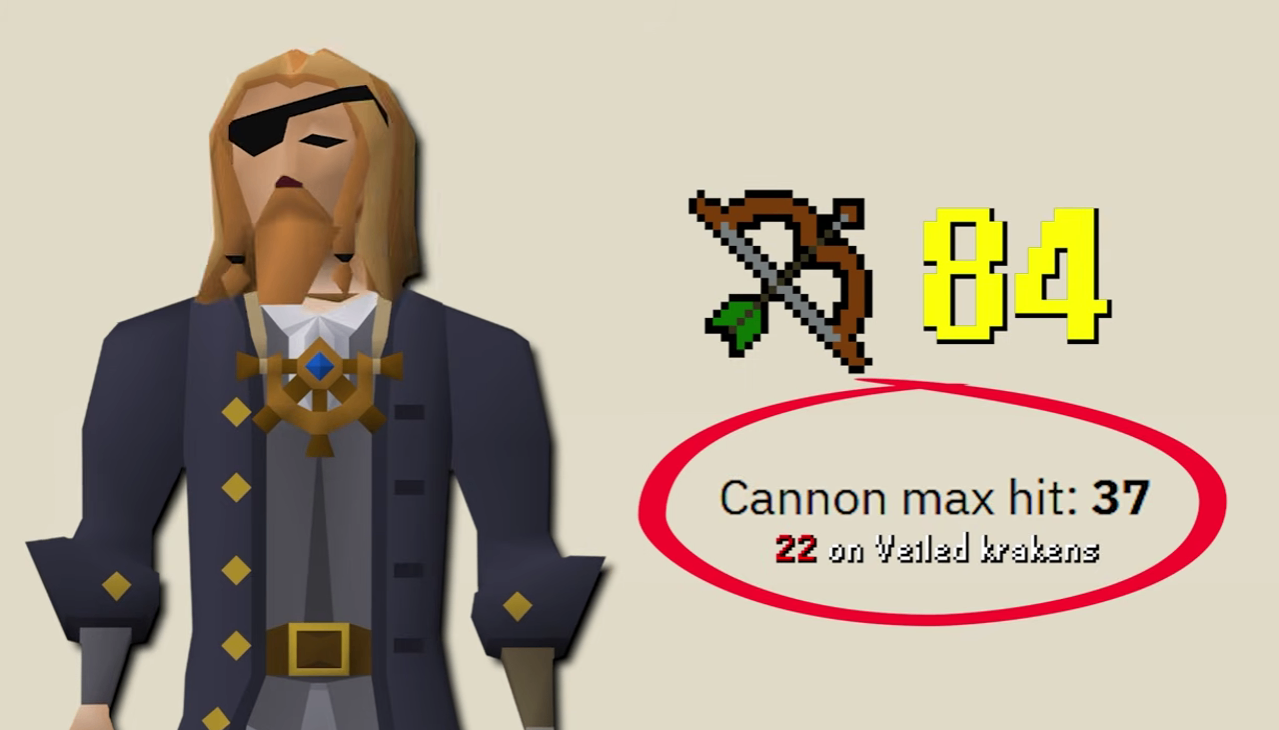
· Train Ranged to improve cannon max hit
· Stock repair kits for long fights
· Gather wood planks for repairs and cargo upgrades
· Build a weapon setup with enough range to hit the Kraken safely
Why ranged training mattered so much
The cannon’s max hit against veiled Krakens started too low. Increasing Ranged meant:
· More damage per hit
· Faster kills
· Better chances at rare drops
· Less repair kit consumption per kill
Why was this grind so long
A 50,000-arrow training block was used to push Ranged higher. Later, another huge steel arrow batch was consumed to reach even more important thresholds, including 90 Ranged.
Best for / value
This is for players who like to optimize before they commit. It shows how to prep efficiently for an expensive, high-risk grind instead of wasting supplies.
3. The Kraken Problem: One Monster, One Doorway, Massive Cost
The veiled Kraken is not just a boss. It is the gatekeeper to a major section of the sea.
Why is it so important
· It is tied to unlocking the Tangled Kelp ocean
· It can drop the key camphor planks
· It may also drop rare items needed for the most wanted collection
· It is one of the few ways to progress into otherwise restricted content
What makes it so brutal
· It exists in a dangerous area
· The account cannot freely enter and leave the region
· The Kraken must often be lured out
· Damage from kelp and the monster itself makes each kill costly
· Repair kits are burned extremely fast
The real challenge
The fight is not just “can I kill it?”
The real question is: how many repair kits does each kill cost, and can the account sustain that long enough to reach four camphor plank drops?
That is the entire pressure point of the grind.
Best for / value
This section helps players understand high-cost encounter management. It is valuable for anyone planning bossing or sea monster grinds with limited supplies.
4. Side Goals Matter: Rare Loot Can Change the Whole Run
While farming Krakens, several side drops were important enough to track separately.
Notable side objectives
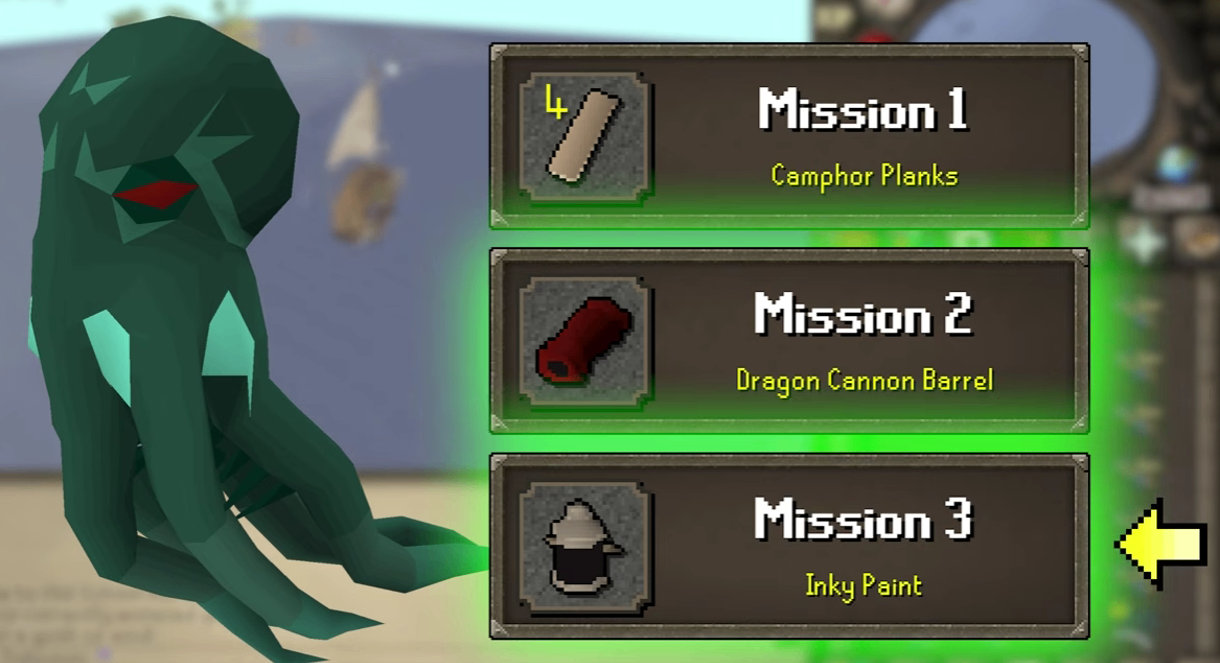
· Dragon cannon barrel
· Inky Paint
· Other useful combat and magic upgrades
Why these matter
Even if the main goal is camphor planks, rare side drops can massively increase account value. Some of these items are among the rarest and most beautiful rewards in the sea-based collection journey.
Important mindset
A grind like this becomes much more rewarding when you recognize that not every valuable drop has to be the main target. Side loot can:
· Improve combat stats
· Improve gear
· Save time later
· Push you closer to secondary collection goals
Buy coins at MMOexp, save your sanity, and enjoy the real endgame — especially when the grind becomes long enough that every bit of efficiency and convenience starts to matter.
Best for / value
Perfect for players who want to maximize every kill, not just chase the headline drop. It teaches you how to profit from a grind even when the main item refuses to appear.
5. Resource Management: The Real Endgame Is Not Combat, It’s Survival

This account survives because of resource loops. That includes planks, repair kits, amulets, runes, fish offcuts, and charges.
Major resource chains
· Gangster encounters for mahogany, teak, and oak planks
· Law rune farming to recharge amulet charges
· Fishing to support other skill loops
· Hunter to gain useful gear and future training options
· Cooking to keep the food supply practical
Why this matters
A sea-locked account cannot just buy everything freely from the mainland. That means every resource must be earned through island-based systems. The account becomes a web of interlocking grinds.
Practical takeaway
If one resource dries up, the whole account slows down. That is why the player kept pivoting:
· From combat to planks
· From combat to magic/accuracy upgrades
· From combat to support skills
· Then back to combat when ready
Best for / value
This is for players who enjoy survival-style planning and layered progression. It gives a blueprint for staying self-sufficient in a restricted account mode.
6. Stats That Actually Mattered: Ranged, Prayer, Slayer, and Woodcutting
Not every level was gained for the same reason. Some stats were clearly tied to progression bottlenecks.
Important milestones
· Ranged 85+ and then 90: More cannon damage against Krakens
· Prayer 44: Unlocked Eagle Eye for a major range boost
· Slayer 51: A key requirement for major quests
· Woodcutting 80: Unlocked ironwood trees
· Hunter 59–60: Supported trap-based progression and gear access
What to learn from this
The account did not train stats randomly. It chased breakpoints:
· A single Prayer level for a huge buff
· Ranged levels for cannon max hits
· Slayer levels to unlock content gates
· Woodcutting to open new tree access
· Hunter to expand future route options
Best for / value
This is ideal for optimization-minded players. It helps you focus on the levels that actually change your next move instead of chasing progress that looks good but does nothing.
7. The Waiting Phase: Use Downtime to Become Stronger
When an update was announced, the account did not just sit still. It used the wait to become more prepared.
What happened during the wait
· More hunting for quest requirements
· More fishing for offcuts and future content
· More cooking
· More Hunter training
· More range gear hunting through imps
· More Kraken prep in case the update made the grind easier
Why is this smart
Waiting periods are dangerous if you waste them. Instead of pausing, the account improved:
· Supply stockpiles
· Gear quality
· Future unlock progress
· Quest readiness
Best for / value
This section is for players who are stuck between goals. It shows how to turn “nothing to do” into “prepare for the next major leap.”
8. The Update Drop: New Content, New Pressure, New Opportunities
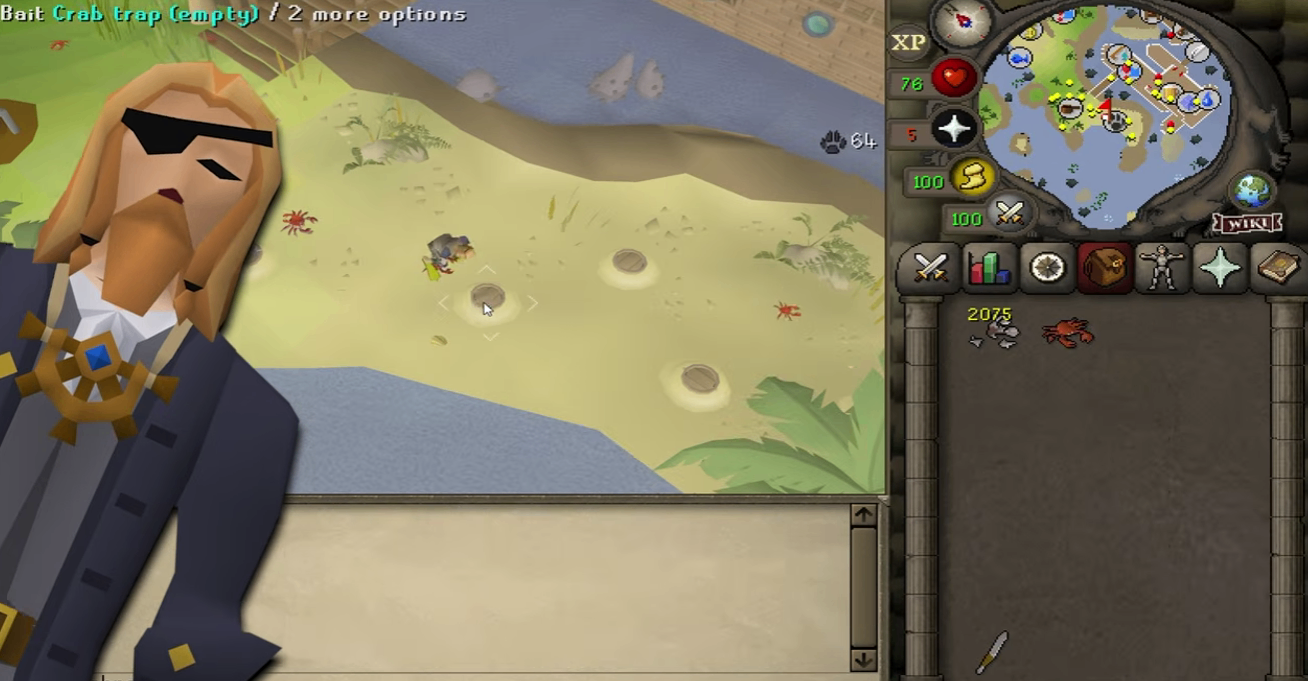
When update day finally arrived, it didn’t just bring changes to sailing systems. It also brought a new quest that required a major Slayer threshold to complete.
Why that matters
Now there were two quests locked behind 51 Slayer, which made that level even more important. The update also signaled that the account was entering a new phase:
· New content to explore
· More reasons to finish Slayer
· Bigger potential payoff from all the prep work already done
What this means in practice
The account is no longer just surviving on old systems. It is now positioned for the next big episode of progression, with more content unlocked and more discoveries waiting. While many players might turn to cheap OSRS gold to skip the grinds ahead, this sea-locked account has no such option — every step forward must be earned from the ocean itself.
Best for / value
This section is for players who like live progression and patch-day strategy. It helps you understand how to capitalize on new content as soon as it lands.
Final Takeaway: What This Strategy Teaches
Tips
· Always prep supplies before entering a high-cost grind
· Raise stats to breakpoints, not just “nice-looking” numbers
· Treat side drops as progress, even if they are not the main target
· Use downtime to stockpile, skill, and unlock future routes
· Don’t underestimate how much efficiency matters when repairs are expensive
Core Benefits by Player Type
· Newer players: Learn how to avoid wasted effort and progress with structure
· Efficiency players: Get a clear route for leveling and supply management
· Collector players: See how to build toward ultra-rare items methodically
· Challenge players: Understand how to survive and thrive under severe restrictions